

Gentle Release Therapy for Kids
Kids

Gentle Release Therapy for babies, children & teenagers.

A gentle hands-on therapy designed to help the body settle, soften and regulate, without pressure, force, or the need to talk.

The work is gentle enough for a baby and steady enough for a teenager. Sessions can happen in person or at distance, with touch or without touch, depending on what the child is comfortable receiving.

Find a practitioner โ†’
Fully clothed Parent stays present Gentle touch or distance No talking required From newborn onwards
A mother and daughter together in open fields
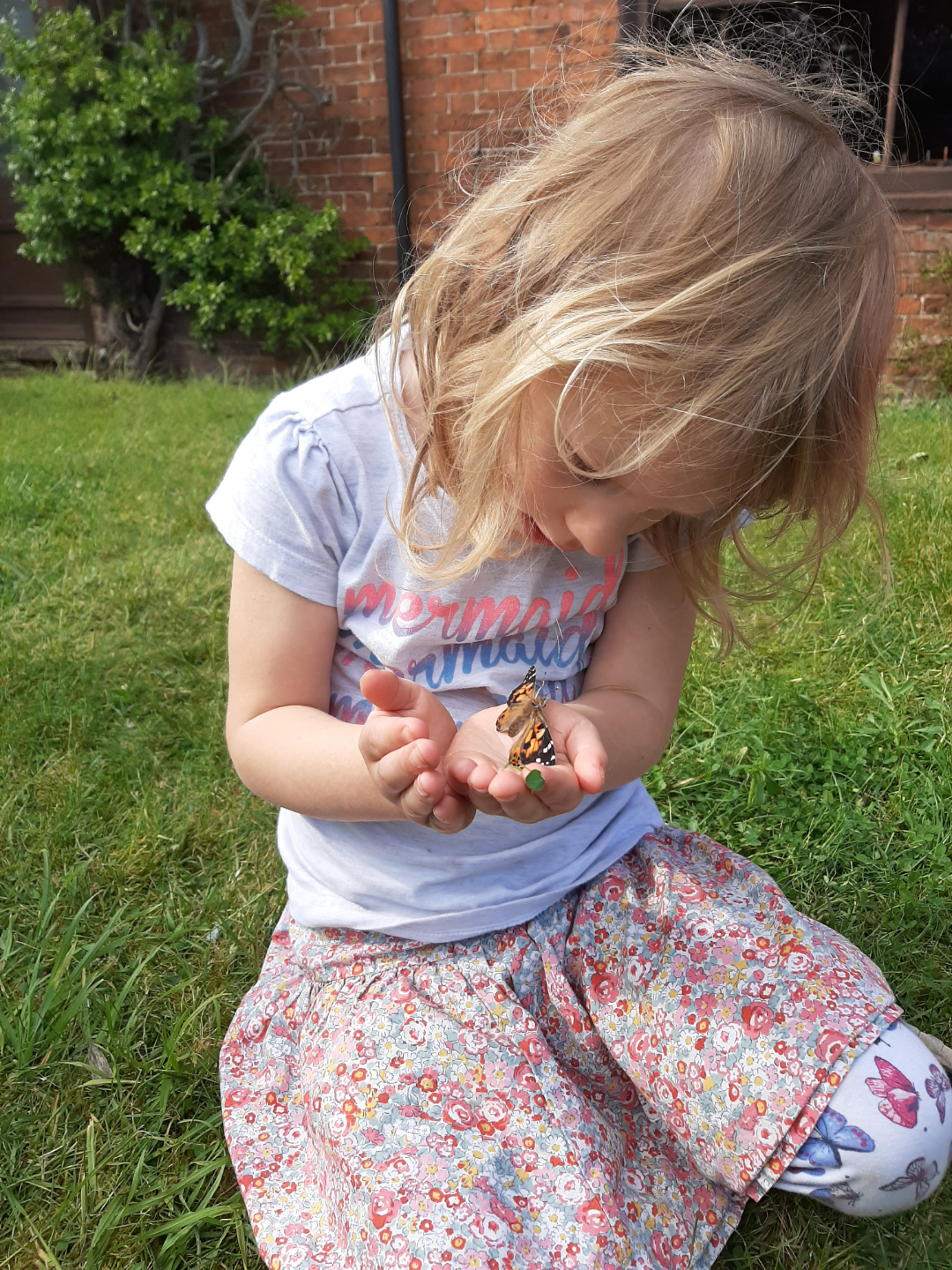
A small child
For a child

A therapy that works at the child's pace.

Gentle Release Therapy is a hands-on therapy that helps the body soften and settle.

With a child, the touch is light, or held at distance without touch at all. The pace follows the child. They do not have to lie still in any particular way, keep quiet, or explain how they feel.

The work happens whether the child is paying attention or not. A baby can be held in your arms. A toddler can lie on your knee while watching television. An older child can sit on the floor with their toys, scroll on their phone, or curl up in bed before sleep.

Practitioners are trained to read what a child is showing through their body, and to work with where the tension is sitting rather than asking the child to find words for it. For sensitive children who find touch overwhelming, distance sessions are also possible.


What it supports

What parents most often bring.

Some of the things practitioners most commonly support, when families come for help with a child.

Sleep & settling

Sleep, settling, and bedtime.

Sleep is one of the most common reasons families come. Bedtime resistance. Waking through the night. Difficulty winding down after a busy day or a hard week.

Gentle Release works softly with the abdomen, the cranial system, and the points connected with rest and regulation, helping the body settle into sleep rather than fighting against it. Treatments can be given at any time of the day, and can be incorporated into the bedtime routine.

Neurodivergence

Neurodivergent children & families.

Gentle Release Therapy is often a particularly good fit for neurodivergent children. The pace is predictable, the touch is light or held at distance, and there is no requirement to talk, sit still in a particular way, or explain anything.

It tends to be received easily through sensory overload, dysregulation, and the days when school or the world has been too much. Across our practitioner community, many work specifically with neurodivergent families.

More on neurodiversity โ†’
Big feelings

The everyday weight children carry.

Children hold a great deal in their bodies, often without having the words for it yet. Anger that spills over. Frustration at things that feel too big. Anxiety that sits in the chest or the tummy and does not move.

In Traditional Chinese Medicine, the Liver is associated with how we process frustration, pressure and emotional tension, and practitioners often notice children soften noticeably when those areas are supported gently.

Growth & tiredness

Growth, tiredness, and bladder changes.

Growing is a huge undertaking for the body. Bones lengthen, hormones shift, nervous systems mature, and children can become more tired, sensitive or reactive during periods of rapid change.

In Traditional Chinese Medicine, the Kidneys are associated with growth, development and fear. Practitioners often notice bedwetting, and daytime bladder accidents, appearing around growth spurts, teething, illness, the end of term, or stretches where a child is simply exhausted.

Change & overwhelm

Change, overwhelm, and exam stress.

Children often carry change in the body before they can explain it in words. Starting school. Friendship difficulties. Exams. A house move. A parent becoming unwell. Big emotions they cannot yet organise.

Gentle Release can come alongside these harder stretches quietly, without requiring a child to talk about what has happened. For older children and teenagers, distance sessions are often especially helpful when being touched, observed, or asked direct questions feels like too much.

Other things parents bring

Constipation, periods, & more.

Constipation is one of the areas parents often notice shifting most readily, and many parents go on to use parts of the work themselves at home.

Older girls beginning to menstruate often find the work soothing during painful or heavy periods, and some parents choose to learn simple points themselves to use at home.

What to expect

What a session looks like.

Sessions are shaped around the child: their age, what is going on for them, and what feels right on the day.

A mother cradling her baby
Babies & younger children

In arms, on laps, or alongside play.

In person, sessions take place in the practitioner's clinic room or, for some practitioners, in your home. A parent stays with the child throughout.

Babies are often held in arms. Toddlers may sit on a parent's lap, lie across their knee, play, snack, or watch something while the practitioner works quietly alongside them.

There is no undressing, no pressure to stay still, and no expectation that the child talks about how they feel.

A teenager smiling
Older children & teenagers

On the couch, in a chair, or on their phone.

Older children may choose to lie on a treatment couch fully clothed, sit in a chair, or curl up comfortably elsewhere in the room. Some talk. Some sleep. Some stay on their phones the entire time.

If they feel more comfortable to be on a screen or phone, this isn't discouraged. What is most important is that they feel safe, understood and comfortable.

The practitioner works with their hands resting lightly at different points on the head, neck, abdomen or back, pausing where the body seems to need time.

A quiet forest stream
Distance sessions

From wherever feels comfortable.

Distance sessions are offered for children who do not want physical touch, who are overwhelmed by clinic environments, who are unwell or in hospital, or who cannot easily travel.

The child remains at home in whatever position feels comfortable while the practitioner works from their own space, in a similar way to Reiki. Many doze through. Others simply continue doing what they were already doing.

Sessions are usually around thirty minutes, depending on the child's age and what is going on for them. Some children come once. Others come weekly for a stretch, or return during harder periods.

For parents, grandparents & carers

What you can learn yourself.

Parts of this work can also be learned and used at home, by parents, grandparents, carers, or older children themselves.

To try first

Two free guided releases for children.

Two Guided Gentle Releases for children are available free on YouTube.

The Animals Want to Play uses gentle movement and release for daytime regulation, while The Animals Want to Go to Sleep is designed as a quieter wind-down before bed.

One practitioner shared that her son has listened to the bedtime release every night for the past five years.

Both recordings are also available together as a ยฃ5 download in the shop.

To learn the work

Two short courses for home use.

The Introduction to Gentle Release Therapy course is the entry point for parents, grandparents and carers who want to use the work themselves at home. It teaches the key points and how to use them, both on yourself and on the child or children in your care.

Children often respond to the nervous systems around them, so supporting yourself is part of supporting them too.

For those wanting to go further, the Introduction to Vagus Nerve course teaches the first four points of the vagus nerve protocol. Many parents find it especially supportive during dysregulation, sensory overwhelm and difficult sleep.

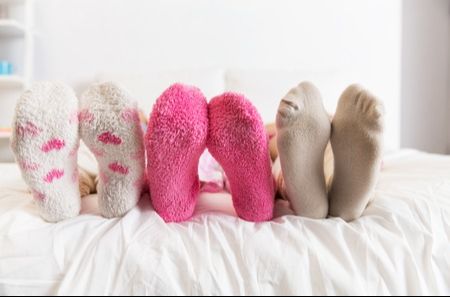
Cosy socks

There were months when she could not bear the feeling of socks.

A note from Helen

I gave my daughter Gentle Release Therapy when she was two days old.

We were on the neonatal ward. By the next day she was well enough to come home, and over the years I found myself returning to the work again and again through different stages of her childhood.

There were months when she could not bear the feeling of socks and sometimes clothes against her skin. Growth spurts that left her wrung out. Stretches where the world simply felt too much for her body to process comfortably.

My daughter is autistic, and although Gentle Release had helped her with many things, there came a point where school itself had become overwhelming. Someone mentioned the vagus nerve, and one evening I began trying Gentle Release on the vagus nerve points instead of the YouTube exercises she had politely declined before wandering off.

Over the following weeks, things gradually became steadier for her, and eventually she was able to return to school full time. The protocol that grew from those evenings is now the vagus nerve work that Sara Agnew and I teach to practitioners today.

I have come back to Gentle Release for her many times since.

Helen

More about my daughter

A longer piece, for parents of sensitive children.

On the months when even a single sock could push her nervous system into overwhelm, and how Gentle Release came alongside during that time.

Read the post โ†’

If this sounds like it might be the right fit for your child.

You can search our directory to find a practitioner. Many work both in person and at distance, so where you live does not necessarily limit what is possible.

If you are unsure where to begin, or would prefer to talk things through first, you are very welcome to get in touch through the contact page.