

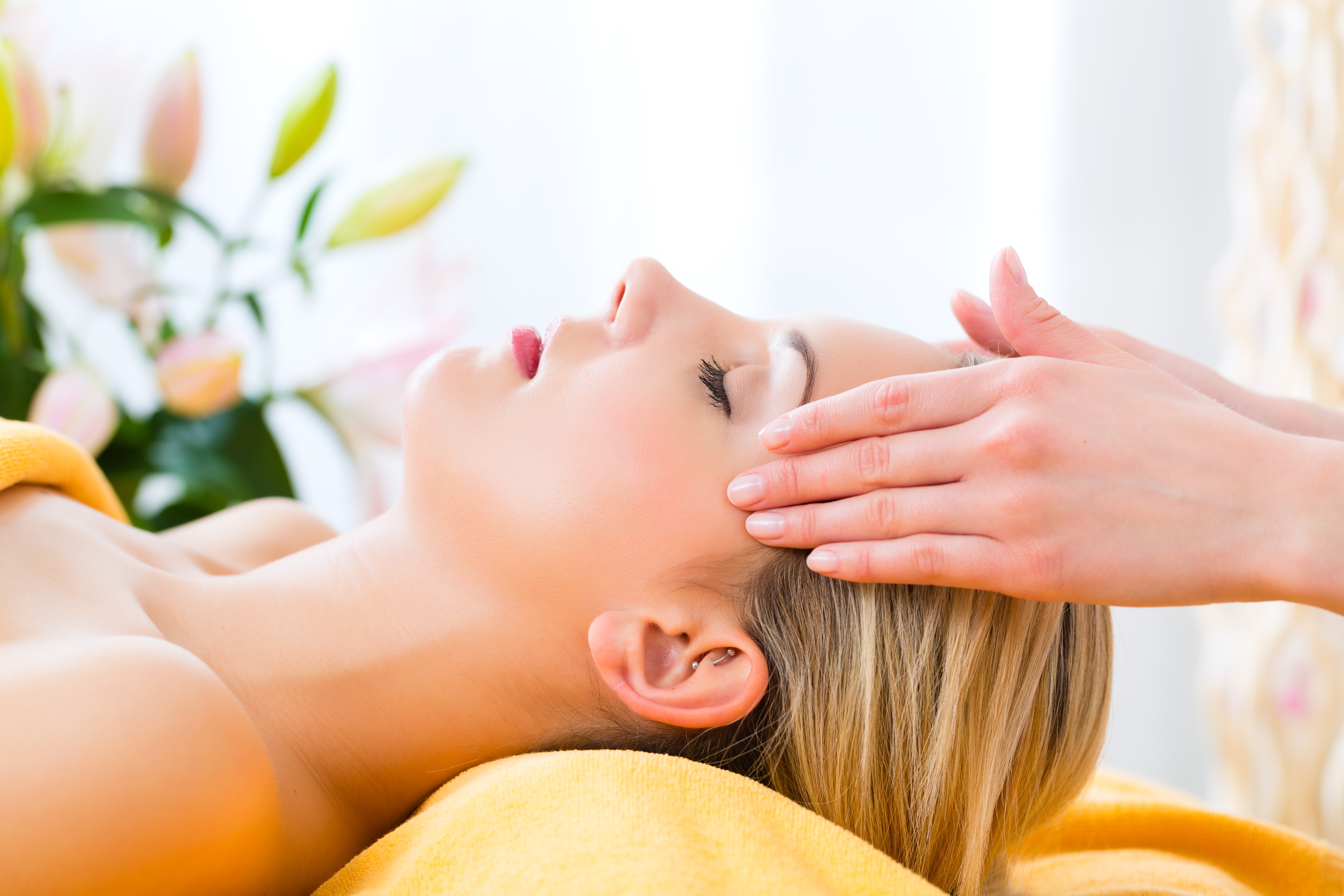

What is Gentle Release Therapy?

Supporting body, mind and soul to settle, release and reconnect.

Traditional Chinese Medicine Cranial Release Nervous-System Informed Endocrine & Lymphatic Body, Mind & Soul

Gentle Release Therapy is a gentle treatment that draws on Traditional Chinese Medicine, cranial release and vagus nerve work. The story of how it came to be, what shapes the work, and how a session feels.


A quiet forest stream
Helen Robinson, founder of Gentle Release Therapy
The story

How Gentle Release Therapy came to be.

Gentle Release Therapy did not arrive in one piece. It came together slowly, over years of clinical work, before it even had a name.

Over time, different things I had learned along the way began to gather in my treatment room: the meridians and points of Traditional Chinese Medicine, the lighter end of cranial work, the way different emotions tend to settle in the body, and the endocrine and lymphatic systems.

The first practitioner course ran in November 2018.

The vagus nerve work came later, growing out of supporting my daughter through nervous system overwhelm, and then, from 2023, deepening with Sara Agnew into the full Gentle Release Vagus Nerve Protocol.

More than anything, the work was shaped by listening. Listening to the person on the couch, to what their body was asking for next. And by learning how to understand, trust, and follow my own intuition.

At some point, what was happening in the room was no longer borrowed from anywhere, and not simply a blend either. It had become its own therapy, and it needed a name. Gentle Release Therapy is what came of it.

Helen RobinsonFounder, Gentle Release Therapy

The work

What Gentle Release Therapy brings together.

Threads from several traditions, held in a single therapy.

A practitioner's hands resting lightly at the head
The hands rest with weight, not pressure.
  1. Traditional Chinese Medicine

    A map of where emotions settle

    Drawn from the Five Element framework: grief tends to settle with the lungs, fear with the kidneys, frustration with the liver. This map informs where the hands rest in a session. Specific acupuncture points come in at the advanced level.

  2. Cranial release

    At the head and jaw

    The work is informed by cranial therapy but the touch is lighter and there is no manipulation. The hands rest with weight rather than pressure. The jaw is a key area: it is where much of the day, the month, and the years are held.

  3. Energy work on the chest & abdomen

    Held over the organs

    The hands rest over the organs themselves: the heart and lungs at the chest, the liver, spleen, and stomach at the abdomen. The work follows where different emotions tend to settle in the body. No needles, no pressure. Advanced practitioners may also work with specific acupuncture points.

  4. Endocrine & lymphatic release

    Hormones and drainage

    Held with gentle attention rather than pressure. The endocrine release works with the hormone system; the lymphatic release supports the body's natural drainage.

  5. A nervous-system informed approach

    Polyvagal-informed throughout

    The whole of the work is held within an understanding of the autonomic nervous system, drawing on the polyvagal framing developed by Stephen Porges. Safety first, then settling, then change.

What pulls these threads into a single therapy is a shared principle. The body often holds emotional and physical tension together, and given the right conditions, it knows how to let them go.

The practitioner doesn't channel energy from outside, and there is no attunement or ritual. They listen, and follow what the body is ready for. The client's own energy does the moving. Release happens in the body's own timing.

In the room

How a session feels.

From arrival, through what happens on the couch, to the changes in the days that follow.

Cosy socks
Arrival

A quieter ten minutes than most.

You arrive, take your shoes off, and we settle in with a short, gentle catch-up. You can share what feels useful, and there's no need to explain anything you'd rather not. Then you lie down fully clothed on the couch, comfortable, at whatever angle is right for you.

The work meets people where they are. Gentle Release can be given to someone in a wheelchair, or to a baby in arms. The pace and the position adjust to whoever's there.

If lying on the treatment couch isn't what feels right, sitting in a chair works just as well. You can ask for different lighting, less music, no music at all, or fragrance-free products. You can bring your own music or headphones, a weighted blanket, a soft jumper, or any small comfort that helps your nervous system settle.
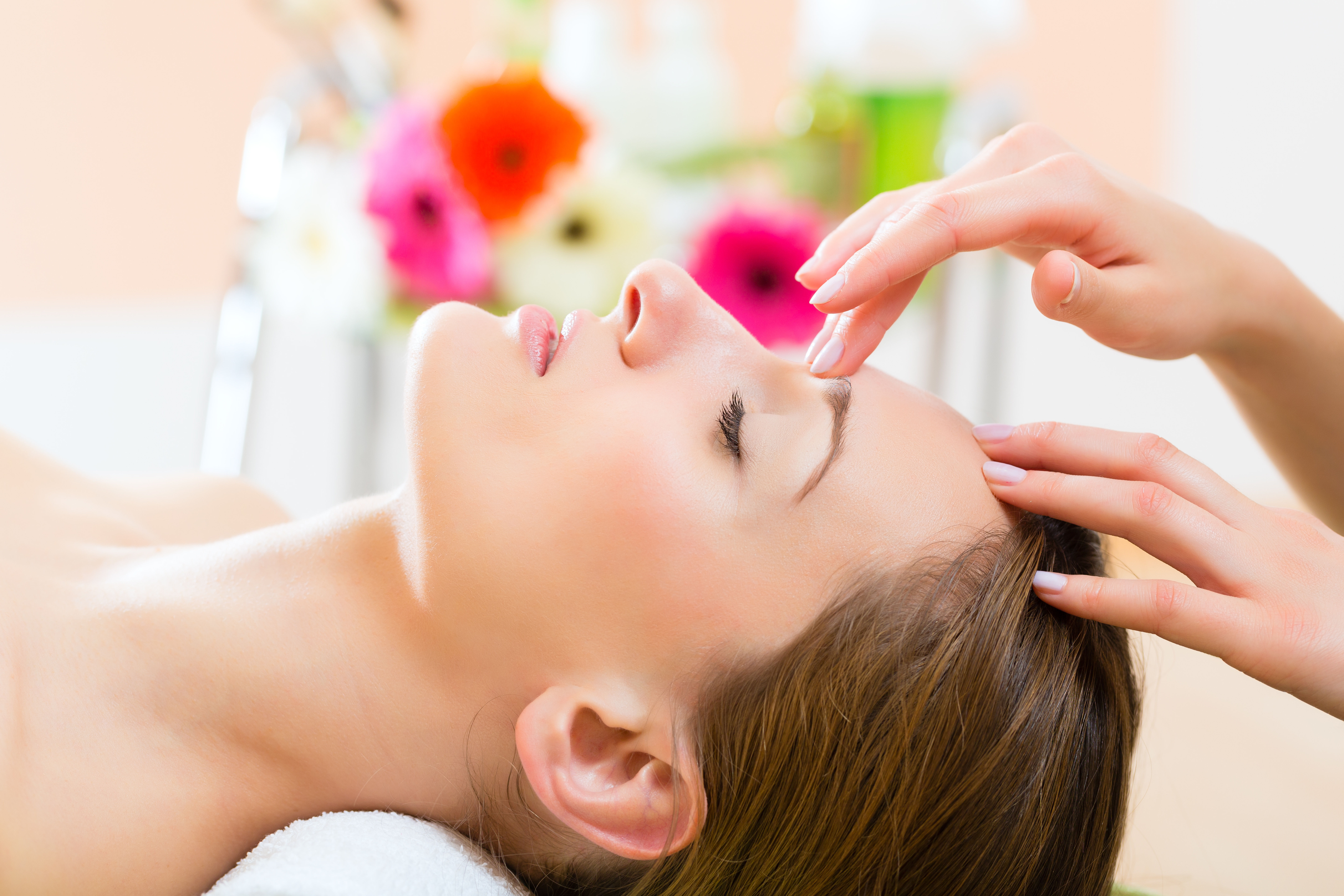

A practitioner's hands held softly on the body
During

Hands held with weight, not pressure.

The practitioner's hands rest at the cranial system (head and jaw), the neck, the spine, the abdomen, and the feet (over the socks or under, it doesn't matter). The touch is light. Nothing is pushed, pulled, or manipulated.

No two sessions are the same. The practitioner listens to what the body is asking for that day and responds, rather than following a set protocol. One area may need longer than another. Something releasing in one place may invite another to soften next.

You can talk if you want, or sleep if you want. Some people snore the whole way through. Some don't stop chatting. Whatever you bring is what the session works with.

As things release, you might yawn, burp, feel a tingle in a limb, or notice a small wave of emotion pass through. All of it is the body letting go.

A quiet moment of rest
After

Energy, ease, and the days that follow.

Most people leave feeling more energised. Some feel tired, and if that's you, we start with shorter treatments and build up. Either response is normal.

For the first couple of days, some niggles can come up as the body adjusts. When tension that has been held for a long time begins to release, the muscles have to get used to holding the body in a new way, a bit like the day after a workout. By around the third day, most people feel a real shift in ease.

How often you come is up to you. Some come once. Some come weekly during a hard stretch. Some return whenever the body asks.

Often, the body keeps settling long after the session has finished.

"I feel lighter, calmer, happier and more content than I have done in years."
A Gentle Release practitioner
A mother and daughter together in open fields
The reach

What Gentle Release Therapy can support.

Some people don't come because of a particular diagnosis. They come because they are carrying too much.

That shows up in different ways across a life. Stress and anxiety. Grief, and the long-held tension that builds in a hard year. Hormonal shifts, perimenopause, and menopause. Fertility journeys. Cancer support. Children, including those who are neurodiverse or emotionally sensitive. Sleep that has thinned. The dull ache that follows long caring.

What runs underneath all of it is the same: a body holding more than it can easily put down. Gentle Release Therapy is not a single-condition modality. It is something the body can rely on across a life.

Each is its own conversation, with its own page.

"This work is very gentle but very deep and powerful."
A Gentle Release practitioner
A sunlit meadow
Two paths

Treatment, or training?

Considering a treatment

Quietly tired of approaches that ask you to push through.

Often you have heard about Gentle Release Therapy from a friend, or found it after looking for something gentler than what you have tried before.

The work suits people who are sensitive, who have been holding a lot, and who are quietly tired of approaches that ask them to push through.

Nothing here will ask you to push through. The pace adjusts to you, and the session can be adapted around whatever helps your body settle best.

Find a practitioner โ†’
Thinking about training

A piece of work that is as much your settling as your skill set.

Often a complementary therapist already, reflexology, acupuncture, cranial work, reiki, osteopath, massage therapist, wondering whether Gentle Release Therapy adds something to what they do.

The work suits practitioners who are deeply capable but have a feeling there is something more. Many say afterwards that the training was as much about their own release as about the new practice.

Or you might be looking for a gentle entry into a whole new career.

Training pathway โ†’
At your own pace

Or, begin at home.

Two short online courses are open to anyone, not only therapists. The Introduction to Gentle Release Therapy comes first, then the Introduction to the Vagus Nerve. Both can be taken at home, in your own time.

The wider work

Where Gentle Release can lead.

All part of the same Gentle Release Therapy. Beyond a standard session, the work reaches into specialist pathways, in both treatment and training, and each has its own page.

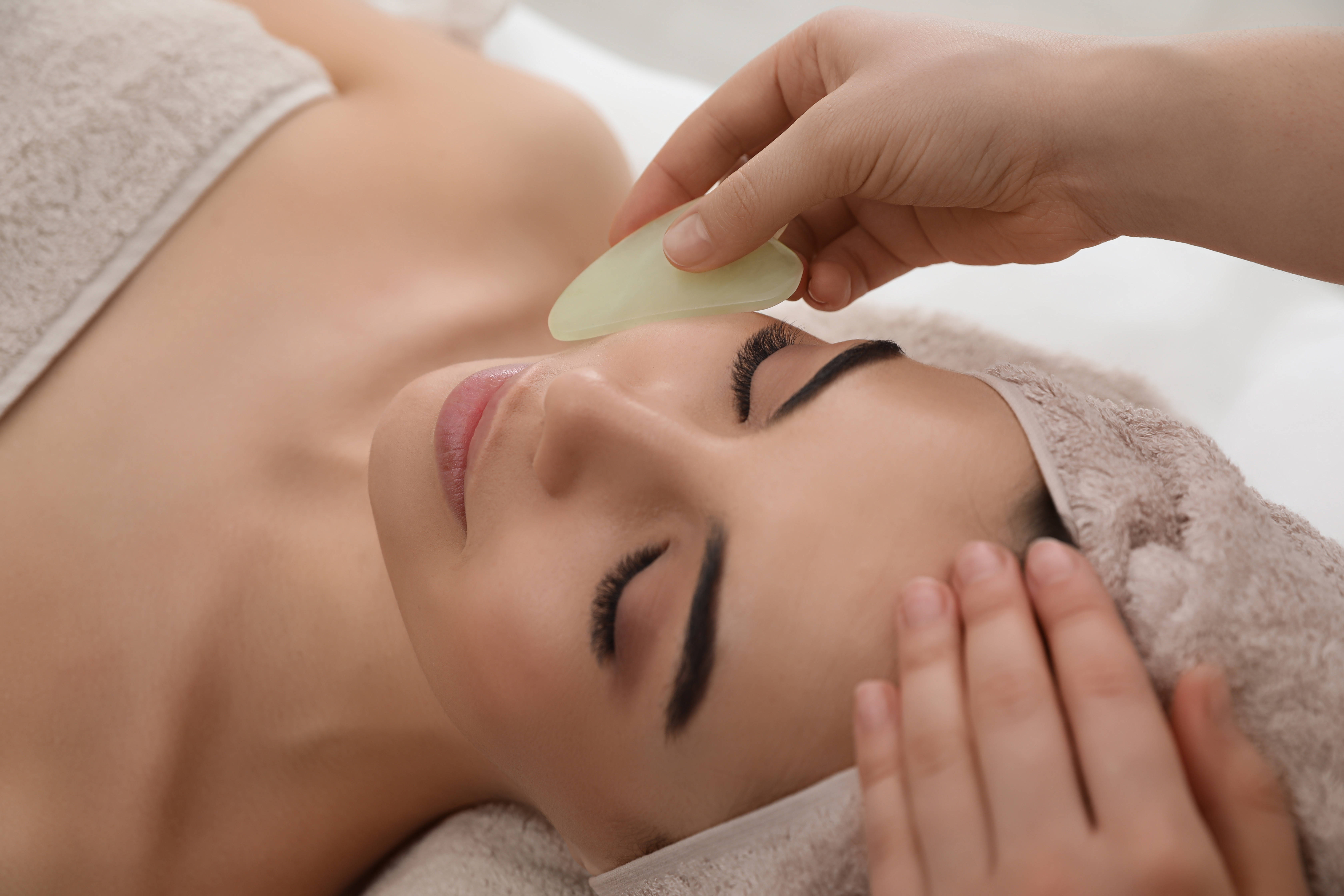
A therapist running a jade gua sha stone along the cheekbone during an EnerQi facial
EnerQi Facial Rejuvenation

A gentler doorway.


A 90-minute facial that brings together traditional Chinese facial techniques (gua sha, jade rolling, an acu-pressure dermal roller, facial cupping, and hot towels) with the cranial release and abdominal organ release that sit at the heart of Gentle Release.

The work is intuitive rather than protocol-driven. No fixed sequence, no set number of strokes. The treatment responds to what your face and body are asking for on the day.

For many clients, EnerQi is the way in. The facial is where they begin, and the deeper Gentle Release work often follows, once the body has settled and trust has formed.

Find out more โ†’
A young woman in meditation, eyes closed and hands joined softly at her chest
The Gentle Release Vagus Nerve Protocol

A four-treatment sequence for the nervous system.


For people working with anxiety, chronic stress, or long-held nervous system tension. The full protocol holds four treatments in sequence: ventral, dorsal, brain, and HPA axis.

Find out more โ†’
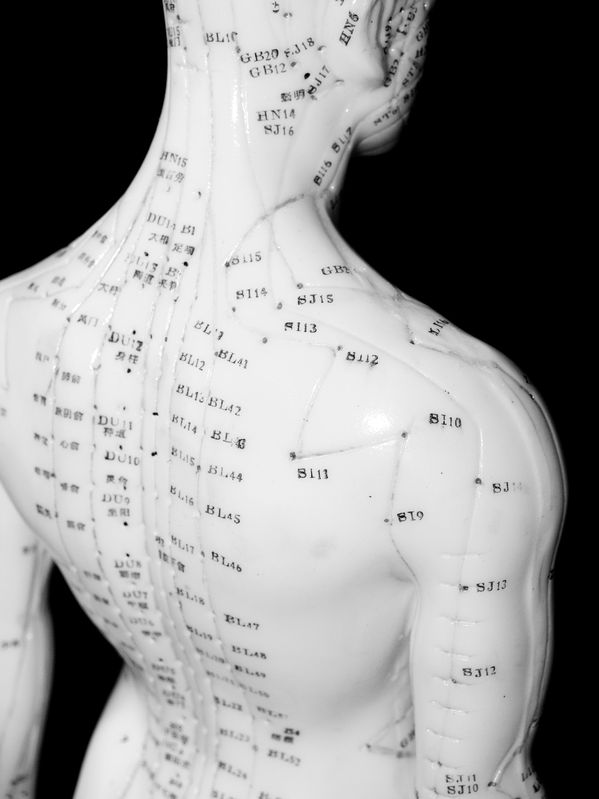
An anatomical model showing the meridians along the back
Advanced Practitioner

Acu-Touch & the Pelvic Bowl.


For people whose body is asking for more targeted support. Acu-Touch holds acupuncture points across the twelve main meridians, and the Pelvic Bowl work supports women's health, fertility, and pregnancy.

Find out more โ†’
A quiet moment, contemplative
Spirit Points

The twelve Spirit Acupuncture Points.


For work with the Shen, the part of us that senses its own direction. Twelve Spirit Points are held in four stages: Inception, Installation, Establishment, Connection.

Find out more โ†’
A figure quietly meditating by the coast
"This really does shift and release things for people, and recipients experience very deep levels of relaxation."
A Gentle Release practitioner

If this resonates, begin here.

Find a practitioner near you, or find out about training.