Train as a Gentle Release Therapy Practitioner
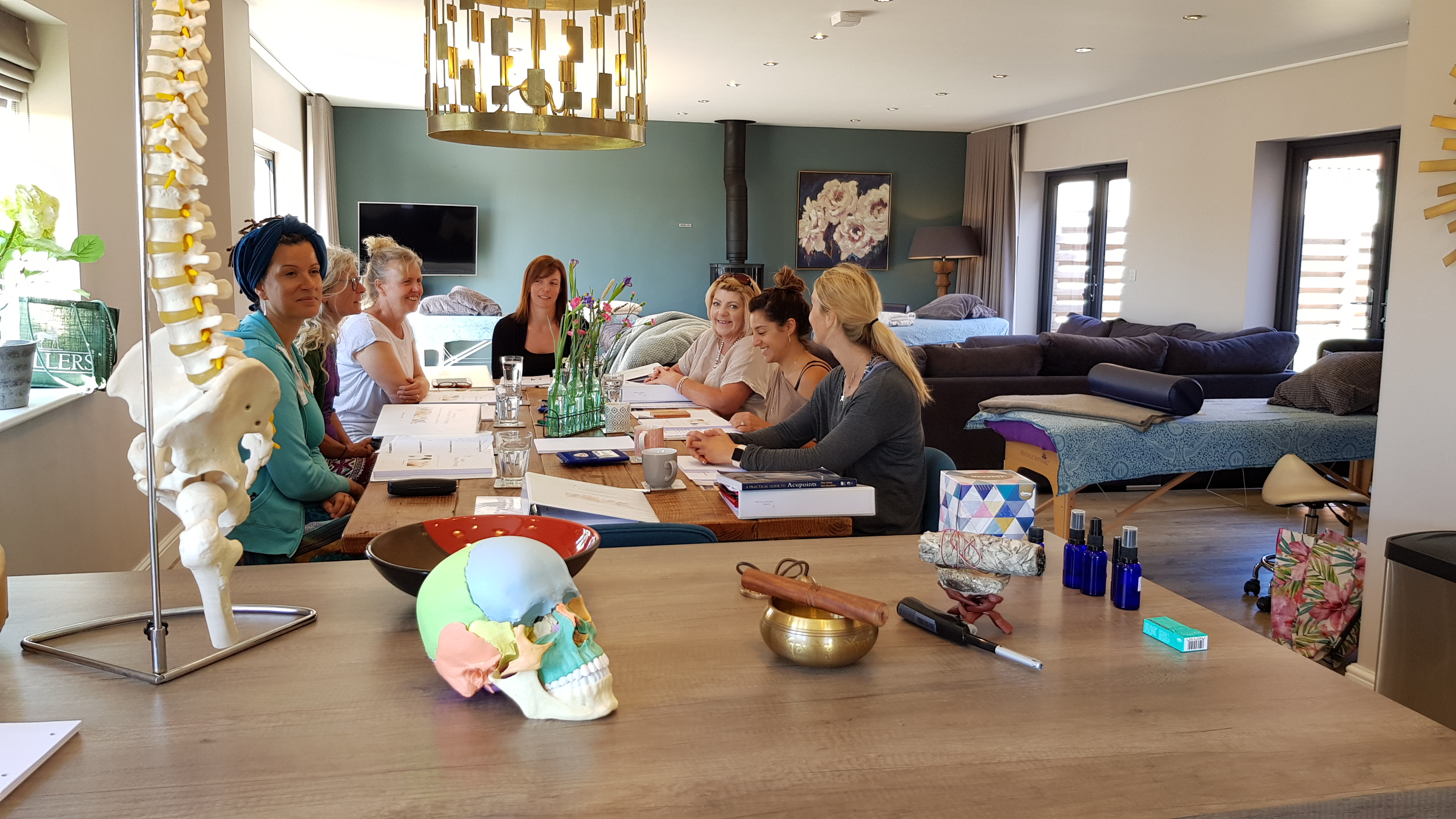
A practitioner training session in progress In the training room
Training

Train as a Gentle Release Therapy Practitioner.

A three-and-a-quarter-day practitioner qualification weaving together Traditional Chinese Medicine, cranial release, energy work, and the gentle release of what the body has been holding. Join online from your own quiet space, or in person at our Lincolnshire retreat.

Who this training is for

Small groups. Gentle teaching. Space to grow into the work.

Many who come to Gentle Release Therapy training arrive with a quiet sense that they want to work with the body differently.

Some are already qualified therapists looking for an approach that helps the body release without needing to push, fix, or force. Others come from healthcare backgrounds wanting something gentler to offer alongside their existing practice. Some arrive with no prior training at all, simply drawn to the work and ready to begin.

What they often share is a desire to listen more deeply to the body, rather than follow a rigid routine. To respond to what is being held, rather than apply techniques by force. To trust what they are noticing, while still having a clear framework to guide them.

The training is intentionally small and personal, with plenty of time to practise, ask questions, receive treatments yourself, and let the work settle gradually alongside others walking a similar path.

The course is open both to qualified therapists and to those completely new to complementary therapy.
The story behind the work

Where Gentle Release Therapy came from.

Gentle Release Therapy was never planned as a modality. The short film below shares the quieter story of how the work emerged, and why it now sits between Traditional Chinese Medicine, energy work, and the body's own intelligence.

Read more about Gentle Release Therapy →

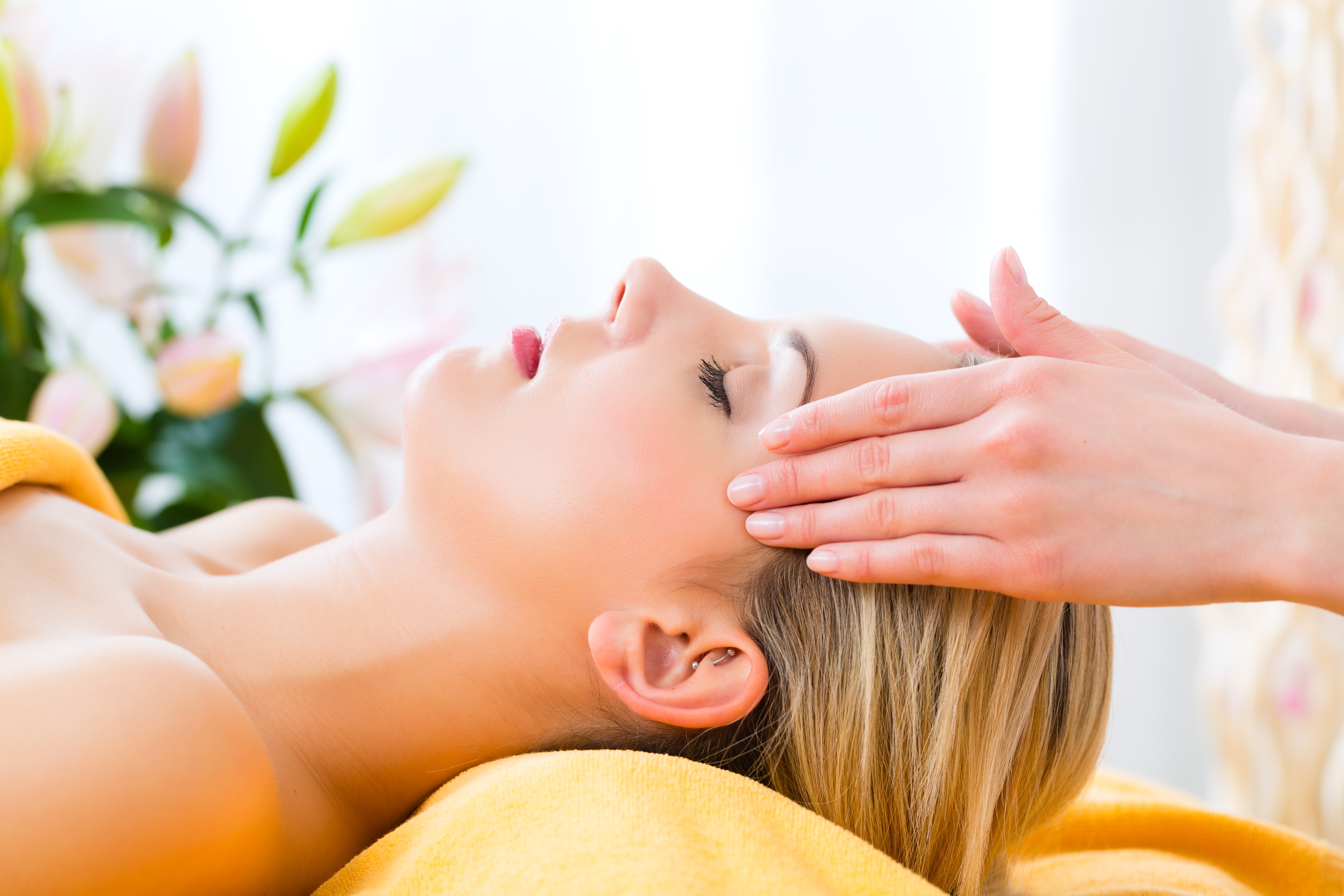
A practitioner's hands held lightly at the head
What the training covers

The two pieces of work at the heart of every treatment, and everything that layers around them.

At the heart of every Gentle Release Therapy treatment are two things held side by side: energy work on the chest and abdomen, and cranial release. Those two pieces alone often fill an entire first session. As the body begins to soften and settle, the other techniques are brought in gradually, as and when they are needed.

The training begins with the work itself: how Gentle Release Therapy came into being, how the treatments unfold, and how to ground, clear, and protect yourself as a practitioner. From there, we move into Traditional Chinese Medicine, which becomes the lens you carry into the abdominal work.

In TCM, each organ holds something
  • Liver

    Anger,
    frustration

  • Kidneys

    Fear,
    willpower

  • Spleen

    Worry

  • Heart

    Joy,
    grief

  • Lungs

    Sadness

Over time, you begin to know the organs almost as you would know people, so that when you are holding a Liver point and a client suddenly begins speaking about something they have been carrying for years, it no longer feels unexpected.

From there, the practical work unfolds, with the anatomy and theory for each layer taught alongside the treatments themselves.

  1. The core

    Energy work on the chest and abdomen.

    The core of the treatment. You learn to hold the key organ points (Liver, Gallbladder, Heart, Stomach, Spleen, Kidneys, Ileocecal Valve, Diaphragm, and others) with the lightest touch, fully clothed, allowing the body space to release whatever is ready to surface. Emotion often comes up during this work, and you learn how to stay calmly with what arises, without rushing to explain or interpret it.

  2. The core

    Cranial release.

    A non-manipulative approach, distinct from craniosacral therapy. Hands and fingers rest gently on specific areas around the head, jaw, and base of the skull, allowing the body permission to soften and let go. Cranial and abdominal work constantly feed into one another; when one begins to release, the other often follows.

  3. Working with the spine

    The Lovett Brother Connection.

    Worked energetically rather than through physical manipulation. You learn the Lovett Brother Connection, linking upper and lower areas of the spine so that easing one part of the system can quietly help another begin to settle too.

  4. The endocrine release

    Hormones, through the feet.

    Worked through reflexology points on the feet linked to the endocrine glands. The points are held in sequence, often for a whole session the first time someone receives the work. You also learn a hand-based version that clients can use for themselves between sessions.

  5. The lymphatic release

    A gentle sweep of the system.

    A gentle sweep of the lymphatic system, also worked through the feet, drawing on a small number of acupuncture points.

  6. Support around emotional release

    Staying present with what surfaces.

    Sometimes emotional material surfaces during a treatment, whether spoken about beforehand or arising unexpectedly during the organ work itself. You learn how to stay present with what emerges, while making sure the client always feels safe, supported, and free to choose how far they want to go.

  7. Working virtually

    The work, at a distance.

    Gentle Release Therapy works just as well at a distance as it does in person, and you are taught both. Many practitioners go on to support clients across the country, and across the world.

  8. An introduction to the Gentle Release Vagus Nerve work

    A first taste of the wider protocol.

    A first experience of the protocols that sit at the heart of our separate Vagus Nerve training.

  9. The practical layer

    The setup the work needs around it.

    Consultation forms, aftercare, contraindications, health and safety, treating young people, and the practical setup surrounding the treatments themselves. The quieter, less glamorous, but deeply important side of running a professional practice.

A few things are probably worth saying clearly. The treatments are done fully clothed. The touch is incredibly light. There is no oil, no manipulation, and no force.

Alongside the techniques themselves, you also learn how to trust what you notice. Intuition is part of the work, not something separate from it.

Voices from past trainings

In the words of past students.

"

The course itself was amazing and Helen teaches with such warmth and authenticity and with kind and gentle support throughout. The time spent at the barns with these wonderful people has been fabulous, and learning this beautiful therapy in a safe and nurturing environment was truly a gift.

Carol Butters

Lincolnshire retreat
"

Helen is attentive to her students' needs, inclusive, and makes what is a complicated subject easy to understand and accessible. Brilliantly put together, this course is one of the best I've done, and can be used both personally and professionally.

Geraldine Lockyer-Sinden

Virtual training

"

Helen runs the course beautifully. Her knowledge, how she shares and presents it, in a patient and caring way is amazing. I would recommend the course to anyone who is wearing themselves out doing deep tissue massages. It opens your eyes to other options.

Clare Snaith

Lincolnshire retreat

How the training is structured

Theory first, then the practical work, then time for the learning to become your own.

Before the practical course

A pack of theory work, in your own time.

You begin with a pack of theory work to complete in your own time. Reading, watching, and sitting with the material gradually, so that when you arrive at the practical days, the foundations are already beginning to settle into place.

The practical course

Three and a quarter days, in person or live online.

Each technique is demonstrated step by step, followed by treatment swaps with the other students so that you both give and receive every part of the work yourself.

There is time for questions, reflection, discussion, and feedback throughout. The pace is intentionally unhurried. Groups are kept small (a maximum of eight students) so that each person is properly seen, supported, and guided as they learn.

After the practical course

Case studies, project, exam, assessment.

Once the training days are complete, you move into your case studies, practising the treatments within your own circle or practice. We guide you on how many case studies are needed, and who they are suitable to work with.

Alongside the case studies, there is a small project, a written exam, and a practical assessment. None of this is designed to catch anyone out. The assessments are held supportively, but accreditation does require us to make sure you feel safe and competent to work as a practitioner. For many students, the case studies are where the work really begins to deepen and become their own.

Once everything is completed

Your Practitioner Certificate, and the Community alongside it.

You receive your Practitioner Certificate and can begin offering Gentle Release Therapy treatments professionally. You are also welcomed into the Practitioner Community, where the support, guidance, and connection continue long after the course itself has finished.

Two ways to train

Choose the setting that fits your life best.

Route one · Online, live via Zoom

From your own quiet space.

Monday 5 to Friday 9 October 2026 · 9.30am to 2.30pm each day

Three and a quarter days of practical training, spread across five mornings to fit more easily around family life and existing work commitments. You attend live on Zoom from a quiet, private space at home.

The course pack is sent out beforehand, and the programme follows the same structure as the in-person training: demonstration of each technique, treatment swaps with the other students, group feedback, questions, reflection, and repeat.

The Virtual Retreats have become quietly popular over the years. Many people find there is something very supportive about learning this work in their own space, with their own kettle, their own blankets, and somewhere familiar to retreat to between sessions.

You both give and receive every part of the treatment during the course, so the learning settles into your body as well as your mind.

"It was so interesting to do the course online and from the comfort of my own home but with no less benefit practising remotely than in person. In fact, I feel it gave it more worth seeing the power in the virtual and energetic connection, and shows what's truly possible. Mind-blowing."

Chantelle Jones · Virtual training
  • Existing therapists or healthcare practitioners£595
  • Those without prior training£655

Maximum eight students per course.

Complete the booking form →
Route two · In person at Ashlin Farm Barns

A retreat in rural Lincolnshire.

Evening of Monday 9 November 2026, followed by full training days Tuesday 10 to Thursday 12 November 2026

Three and a quarter days of practical training held at Ashlin Farm Barns, a peaceful retreat setting in rural Lincolnshire. The environment becomes part of the experience itself: woodland walks, a swim spa, quiet evenings, and time away from the pace of everyday life.

The retreat includes four nights in a Deluxe en-suite room, from Monday afternoon through to Friday morning. Bath robes and slippers are provided, and breakfast items are stocked in your room for you to prepare as you wish. Lunches and evening meals are included, with care taken around dietary requirements. There is usually tea, cake, and the option of a glass of wine in the evening too.

The practical training itself follows the same structure as the online course: demonstration, treatment swaps, group feedback, questions, and time for the work to settle gradually.

  • The training£695
  • Four nights, dinner and breakfast£295
  • Total, including accommodation£990

A non-refundable deposit of £250 secures your place. Spaces are intentionally limited, so please get in touch before booking to check availability. Have a look at the barns here →

Complete the booking form →
You won't do this alone

The Practitioner Community sits alongside the training, year-round.

Alongside the training, you are warmly invited into the Practitioner Community: a gentle, ongoing space for current students and qualified practitioners who want support, connection, and somewhere to keep growing into the work.

Many students find the community becomes part of how the learning settles after the course itself has finished. Qualified practitioners often draw on it too, not only for the treatments and clinical side of the work, but for the quieter realities of building a practice in the real world.

More than anything, it gives people somewhere to walk alongside others who understand the work too.

From £25 per year

Three gentle membership tiers · Directory listing · Monthly Guided Gentle Release sessions · Build My Business workshops · Co-working mornings · Quarterly Lecture Days · Community support

Explore the Practitioner Community →
What comes next, once you are qualified

Further trainings, when the time feels right.

Most practitioners spend a year or two settling into the core work before adding further layers to it. When you feel ready, a number of postgraduate trainings open naturally from the Practitioner course.

Three days, online or in person

Advanced Practitioner Training.

Acu-Touch, fertility support, work around menopause and migraine, the pelvic bowl, and the cranial lift. A course for practitioners who have spent time with the foundations and want to go deeper into the work.

Find out more →
Four days online · Co-taught with Sara Agnew

Gentle Release Vagus Nerve Training.

The full four-protocol Gentle Release Vagus Nerve treatment, grounded in Polyvagal Theory and explored alongside measurement data from Oura rings and Garmin watches.

Find out more →
One day, online or in person

Spirit Points.

Exploring the 12 Spirit Acupuncture Points: a quieter, deeper layer of Traditional Chinese Medicine connected to the Shen, or spirit. The work is entirely needle-free and taught through intuitive touch. People often describe feeling lighter, clearer, and a little closer to their own sense of direction afterwards.

Find out more →
One day online, or 1.5 days in person

EnerQi Facial Rejuvenation.

A ninety-minute facial treatment bringing together the cranial and abdominal release work you learn here with traditional Chinese facial techniques. For many clients, EnerQi becomes the gentler doorway into deeper body-led work.

Read about EnerQi →
Accreditation

Accredited by the professional bodies that support and uphold this work.

The Gentle Release Therapy Practitioner Training is accredited or approved by the following organisations.

  • Federation of Holistic Therapists

    Course Provider accreditation

  • Complementary Therapists Association

    Approved CPD

  • Complementary Medical Association

    CPD Registered Course

  • ThinkTree

    Accreditation for experienced therapists and those completely new to the field, with insurance available through their providers

  • Association of Reflexologists

    Accredited course

International students are very welcome. Insurance requirements can vary between countries and providers, so we always recommend checking with your insurer before booking.

The detail, on paper

If you'd like to read it slowly.

Course prospectus.

The full curriculum, what to expect day by day, and the complete route through to qualification.

Download the prospectus →

Courses roadmap.

A guide to the wider Gentle Release Therapy training pathway, from the Introduction courses through to Advanced Practitioner Training.

Download the courses roadmap →

There is no rush with this work.

If you have been carrying this idea for a while, or if the course is completely new to you and you would simply like to talk things through before deciding, please get in touch.

The right time tends to make itself known.